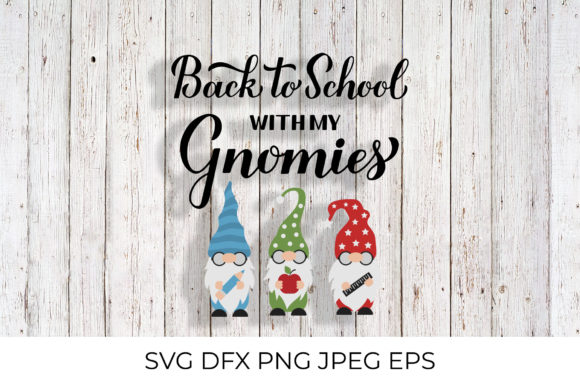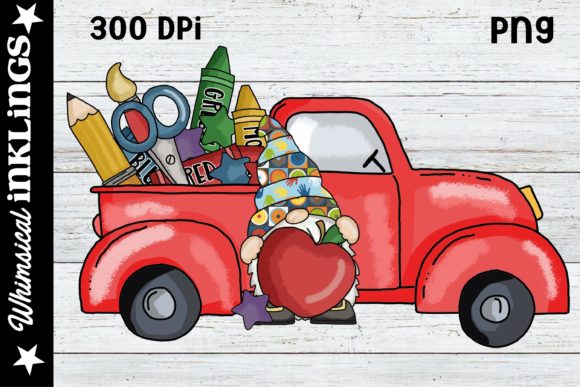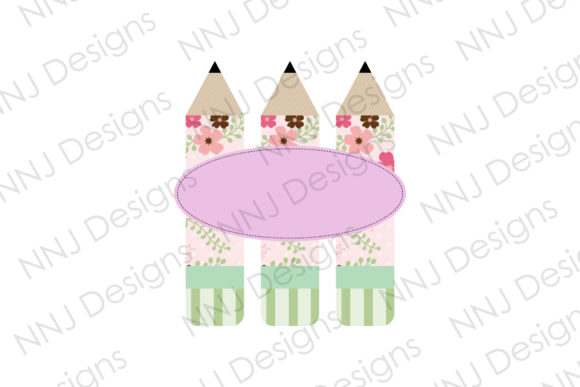
Back to School Name Tag: A Strategic Tool for Branding, Communication, and Practical Creativity
When you think of a name tag, you might picture a simple adhesive label or a lanyard card used for identification in conferences or classrooms. However, the Back to School Name Tag digital product is far more than a basic identifier. It is a versatile design asset that, when used with intention, can support a wide range of strategic goals—from professional branding and event planning to content creation and community building. Designed at a generous canvas size of 1920 px × 1280 px and available in six editable formats (AI, EPS, SVG, JPG, PNG), this asset offers flexibility that goes well beyond its name.
Understanding What This Name Tag Design Actually Offers
At its core, the Back to School Name Tag is a digital template that includes the visual components of a name tag—typically a frame, background, and placeholder for text or a name. But because it is provided in vector formats (AI, EPS, SVG) and raster formats (JPG, PNG), you are not limited to printing a batch of tags for a school event. You can repurpose the design for digital badges, social media graphics, profile images, signage, product mockups, or even as a starting point for a custom identity system. The 1920×1280 px canvas is particularly useful for screen-based applications, such as virtual backgrounds, presentation slides, or web graphics, while the high resolution also supports professional print output when needed.
What makes this asset strategically useful is its editability. Whether you use Adobe Illustrator, Canva, Affinity Designer, or even a simple image editor, the AI, EPS, and SVG files preserve layers and allow you to change colors, fonts, text, and layout elements. The JPG and PNG versions give you a quick preview or a ready-to-use image if you need something immediately. This combination of flexibility and format variety means you can adapt the name tag to fit a specific context without starting from scratch.
Strategic Use Cases Beyond Classroom Identification
While the name tag originates from a school setting, professional audiences can apply it in several purposeful ways. For entrepreneurs who host workshops, networking events, or open houses, a branded name tag can create a cohesive attendee experience. Instead of generic stick-on labels, using a consistent design that aligns with your company colors and typography subtly reinforces your brand identity. Marketers running virtual or hybrid events can incorporate the name tag design into digital badges for attendees, reducing the need for physical printing while maintaining a professional appearance.
Freelancers, consultants, and solopreneurs can also use the Back to School Name Tag to create a memorable first impression during introductory meetings. Adding your own name, title, and perhaps a small logo turns a simple tag into a conversation starter. The key is to treat the design not as a cheap afterthought but as a deliberate branding touchpoint. For example, if you run a tutoring business or a private school, using the same name tag style across your staff and promotional materials builds visual consistency that parents and clients recognize.
When to Use It: Aligning the Asset with a Clear Goal
The real value of this product emerges when you have a specific outcome in mind. Before you open the template, ask yourself: What problem am I solving or what message am I conveying? If the answer is simply “I need a name tag for the first day of school,” then the design will serve that purpose well. But if you extend your thinking, the same file can be used for a team-building retreat, a product launch badge, a profile picture frame for your social media community, or even as a fun way to introduce participants in an online course.
Timing also matters. If you are planning a back-to-school campaign in late summer, having the files ready early allows you to iterate on the design, gather feedback from stakeholders, and produce multiple versions if needed. The six format types mean you can immediately use the SVG for web embedding, the JPG for a quick email header, and the AI file for a custom print run—all from the same source. This reduces last-minute scrambling and gives you control over the final output quality.
Planning Your Approach to Avoid Common Pitfalls
One risk of using any pre-designed template is treating it as a one-size-fits-all solution without considering context. If you take the Back to School Name Tag and fill in names without adjusting colors, fonts, or layout to match your brand, you may end up with a generic look that fails to resonate with your audience. Worse, if the design contains elements that look dated or do not align with your industry’s norms, you could inadvertently weaken your credibility.
Another consideration is file format selection. For example, if you need to scale the name tag to a larger size (such as for a poster or a roll-up banner), the vector AI or EPS files are essential to avoid pixelation. Conversely, if you are uploading a badge image to a platform that only accepts PNG, that format is ready to go. Ignoring the strengths and limitations of each format can lead to poor print results or distorted graphics. A deliberate planner reviews the intended output channels before finalizing the design.
Additionally, be mindful of text readability. Name tags often contain small text, so choose a font that is legible at your intended viewing distance. The canvas size of 1920×1280 pixels gives you plenty of workspace, but if you plan to print at a small size (like a 3×4 inch sticker), ensure the type is large enough to be read quickly. Testing a sample print or digital preview on an actual screen helps catch issues before mass distribution.
Practical Examples of Intentional Use
Consider a small business owner who runs a pop-up market booth. Instead of buying generic name tags from a store, they download the Back to School Name Tag template, customize it with their shop logo and team member names, and print a set of durable cards. This small detail signals professionalism and makes it easier for customers to address them personally. The same design can be reused for future events, with only the names updated—saving time and reinforcing brand recall.
Another example: a virtual assistant or online course creator designs a cohort badge using the SVG file. They place each participant’s name into the badge and share it as a PNG file for use on social media or in a private community. This builds a sense of belonging and serves as a subtle marketing tool when members share their badges publicly. The key is to ensure the design is adaptable—the SVG allows for fast text changes, and the JPG version provides a ready-to-use thumbnail for testing the visual match.
A corporate trainer might use the EPS file to produce name tents for a workshop. With the vector format, the design can be printed at a larger size without losing sharpness. The trainer can also adjust the layout to include a QR code linking to session materials, turning a simple name tag into a tool for distributing resources. This strategic addition demonstrates thoughtful planning and enhances the attendee experience.
Long-Term Value and Production Considerations
Investing in a digital asset like the Back to School Name Tag can yield long-term benefits if you treat it as a reusable template library. Over time, you can build a collection of variations—different color schemes for different seasons, or alternate layouts for various event types—without having to recreate the artwork from scratch. The six format types ensure compatibility with almost any software or workflow, from professional design tools to low-tech editing apps.
However, long-term value depends on file management. Store the AI and EPS master files in a central location, and make note of which fonts and colors you used. If you need to revisit the design months later, having those preferences documented saves hours of rework. Also, consider whether you need to maintain the name tag for compliance purposes (such as including a company legal name or a required disclaimer). Planning for these requirements early prevents last-minute edits that compromise design quality.
From a productivity standpoint, having three vector formats may feel like overkill, but it actually future-proofs your work. For example, if you later switch from Adobe to Affinity or to an open-source tool like Inkscape, the SVG file bridges that gap. Meanwhile, the JPG and PNG files give you immediate outputs for digital use. This thoughtful provision of formats reflects product design that considers the user’s workflow, not just the end result.
Risks of Using It Without a Clear Strategy
The most common mistake is to download the template, replace the placeholder text with your own, and consider the task complete. Without aligning the design with your broader goals—be it brand consistency, audience engagement, or operational efficiency—you may end up with a mediocre result that does not advance your objectives. For example, if you use the name tag for a formal business event but keep school-themed clip art included in the original design, you risk looking unprofessional. Similarly, if you fail to adjust the file name color or size for accessibility, some attendees may struggle to read it.
Another risk is format misuse. Using a raster JPG for large-format printing will result in a blurry, pixelated output. Using a vector SVG for a web page without checking compatibility with all browsers could cause display issues. Relying solely on the AI file when your team only has access to Canva (which does not support AI directly) may block collaboration. Understanding these format limitations is part of using the asset wisely.
How to Approach the Back to School Name Tag Intentionally
Start by defining the primary purpose of the name tag: is it identification, branding, wayfinding, or interaction? Then, choose the appropriate format and customize the design to fit that purpose. For example, if you need a digital badge for a virtual conference, the PNG file (with a transparent background if possible) is ideal. For a printed tent card, an AI or EPS file gives you control over size, color, and bleed margins.
Next, test a prototype before full production. Print one example on your intended paper stock or display the digital version on multiple screen sizes. Check contrast, font legibility, and overall visual balance. Small adjustments—like increasing the space between the name and the frame—can dramatically improve readability. Also, consider the environment: will the name tag be worn on a lanyard, attached to clothing, or placed on a desk? Each use case may require a different layout or material.
Finally, store the editable versions in a cloud folder accessible to anyone who might need to update them. If you run multiple events per year, create a naming convention (e.g., “EventName_BackToSchool_Tag_v1.ai”) to avoid confusion. This systematic approach turns a one-time purchase into a repeatable asset that grows more valuable with each use.
Long-Term Benefits for Creators and Decision-Makers
For bloggers, publishers, and content creators, the Back to School Name Tag can be repurposed as a slide background, a header image, or a visual cue in videos. The 1920×1280 px canvas matches standard HD video resolution, so you can use the design as an overlay or lower third graphic. This extends the asset’s utility far beyond the first week of school. The SVG format also allows you to animate parts of the design in web projects, adding interactivity to your digital presence.
Decision-makers evaluating this product should consider not just the immediate need but also the potential for cross-functional use. A single purchase can serve marketing, events, HR, and even customer experience teams if the design is flexible enough. The key is to establish internal guidelines for how the template should be modified—which colors, fonts, and logo placements are allowed—so that diverse uses remain consistent with your organization’s visual identity.
Ultimately, the Back to School Name Tag digital product is a tool for thoughtful communication and visual organization. It does not replace strategic thinking, but it does enable it. By approaching the template with clear goals, proper format selection, and a plan for iteration, you can turn a simple name tag into a small but meaningful part of a larger system that supports your long-term objectives.