How a Back to School Planner Sets You Up for Academic Success
Every year, as summer winds down and the school supplies start appearing on store shelves, a familiar mix of excitement and anxiety sets in. Whether you are a student preparing for a new semester, a parent organizing multiple children's schedules, or a teacher mapping out lesson plans, the return to school brings a whirlwind of tasks, deadlines, and commitments. That is where a back to school planner becomes more than just a notebook—it becomes a command center for the entire academic season.
A back to school planner is a structured organizational tool designed specifically to help you manage the transition from summer freedom to academic routine. It goes far beyond simple date-keeping. At its core, it serves as a centralized system for tracking assignments, extracurricular activities, important deadlines, and personal goals. While a standard calendar might tell you when classes start, a dedicated planner helps you map out the entire semester, break down large projects, and build consistent study habits from day one.
Why a Dedicated Back to School Planner Matters
Many people assume that any notebook or digital calendar will suffice, but the reality is that a specialized back to school planner offers distinct advantages. Purpose-built planners include sections for class schedules, assignment trackers, grade logs, and goal-setting prompts—elements that generic planners typically lack. This targeted design reduces the mental load of organizing your academic life because the structure is already in place.
The significance of a planner becomes especially clear when you consider the cognitive demands of modern education. Students today juggle multiple subjects, online learning platforms, part-time jobs, and family responsibilities. Without a reliable system, important details slip through the cracks. A planner acts as an external brain, freeing your mind to focus on learning rather than remembering.
Research in educational psychology consistently shows that students who use physical or digital planners develop stronger time management skills and report lower stress levels. The simple act of writing down tasks and deadlines improves recall and helps you prioritize effectively. For parents managing a household, a shared planner creates transparency and accountability for everyone involved.
The Core Components of an Effective Planner
Not all planners are created equal. A truly useful back to school planner includes several key elements that work together to keep you organized throughout the term.
- Monthly overview pages for long-term planning and important dates such as exams, holidays, and project deadlines.
- Weekly spreads with enough space to write daily assignments, appointments, and reminders.
- Assignment trackers where you can record each task, its due date, and its completion status.
- Grade logs to keep a running tally of your performance in each subject.
- Goal-setting sections for academic, personal, and extracurricular objectives.
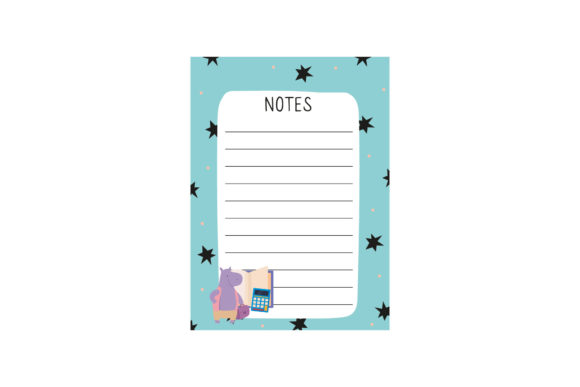
- Note pages for brainstorming, lecture notes, or random thoughts that need a home.
- Dividers or tabs that make it easy to flip between sections without losing your place.
When these components are combined in a thoughtful layout, the planner becomes an intuitive tool that you actually want to use every day.
How to Choose the Right Format for Your Needs
One of the first decisions you will face is whether to go digital or physical. Both options have passionate advocates, and the best choice depends on your personal workflow and preferences. A digital planner offers convenience, cloud syncing, and the ability to set automated reminders. A physical planner, on the other hand, eliminates screen fatigue and allows for handwritten notes, which many studies show improve retention.
However, there is a third option that gives you the best of both worlds—a customizable design that you can edit and print at home. This is where the specific design files for a back to school planner become so valuable. When you purchase a planner design in formats like AI, SVG, PNG, JPG, and EPS, you gain the freedom to adjust the layout, colors, and sizing to match your exact needs.
Let us break down what each file format offers so you can see why having multiple options matters.
Understanding the File Formats Included
When you invest in a quality planner design, you deserve flexibility. The following formats ensure that you can use the planner across different devices, software, and printing services.
- AI files (Adobe Illustrator) are vector-based and fully editable. You can change every element—text, colors, shapes—without losing resolution. This is ideal for users who want to customize their planner down to the smallest detail.
- SVG files (Scalable Vector Graphics) are web-friendly and can be scaled to any size without pixelation. Use them for digital planning apps, websites, or integration with cutting machines.
- Transparent PNG files offer a clean, background-free image that can be layered onto other designs, printed, or used as a digital sticker.
- JPG files are the most universally compatible format. They work on any device, can be printed directly, and are easy to share with others.
- EPS files are another vector format widely used in professional design tools like CorelDRAW or older versions of Adobe software. They preserve editability across different platforms.
Each format serves a distinct purpose, and having all of them ensures that you are not locked into any single ecosystem. Whether you prefer to edit on a computer, tablet, or phone, and whether you plan to print at home or at a professional shop, these files give you complete control.
Practical Ways to Use Your Back to School Planner
Owning a planner is only half the battle. The real value comes from using it consistently and strategically. Here are some practical approaches that help you get the most out of your back to school planner.
Start Before the First Day
Do not wait until classes begin to open your planner. During the week before school starts, fill in your class schedule, mark key dates from your syllabus, and set your first set of weekly goals. This proactive approach builds momentum and reduces first-week chaos.
Develop a Daily Review Habit
Set aside five to ten minutes each evening to review the next day's tasks. This simple ritual helps you sleep better knowing you are prepared and prevents last-minute surprises in the morning.
Break Down Large Projects
One of the biggest mistakes students make is writing only the final due date for a major assignment. Instead, use your planner to break research papers, science projects, or group presentations into smaller milestones. Assign a specific step to each week, and check them off as you go.
Color Code for Clarity
Assign a different color to each subject or type of activity. For example, blue for math, green for science, red for deadlines, and yellow for personal events. This visual system makes your weekly spread instantly readable and helps you spot busy periods at a glance.
Customizing Your Planner for Maximum Effectiveness
The designs you receive in AI, SVG, EPS, PNG, and JPG formats are not static templates. They are meant to be personalized. One of the greatest advantages of owning vector files is that you can resize any element to fit your preferred planner size—whether that is A5, letter, half-letter, or even a custom format.
You can also swap colors to match your personal aesthetic or school spirit. Change the header fonts, adjust the line spacing, or add your own motivational quotes. If you are a parent managing multiple children, you can duplicate the file and create a separate planner for each child with their unique schedules and goals.
This level of customization ensures that your planner grows with you. As your needs change from semester to semester, you can tweak the layout rather than starting from scratch.
Common Misunderstandings About Planners
Some people believe that using a planner is only for students who struggle with organization. In reality, even top-performing students and busy professionals rely on planners to maintain their edge. Another misconception is that you need to fill every box every day to be successful. A planner is a tool, not a test. If you miss a day or leave a section blank, that is completely fine. The goal is progress, not perfection.
There is also a myth that digital planners are inherently better than paper ones. Both have strengths, and many users find that a hybrid approach works best. With the editable files provided in this design set, you can print physical copies for your desk while also keeping a digital version on your tablet for on-the-go access.
Integrating the Planner into Modern Life
Today's educational environment is more complex than ever. Between Google Classroom, Zoom meetings, extracurricular apps, and family calendars, information comes at you from all directions. A unified back to school planner acts as a single source of truth. Instead of checking five different apps, you have one place where everything lives.
For parents, this is especially valuable. You can use the planner to coordinate doctor appointments, sports practices, parent-teacher conferences, and study sessions without overlapping schedules. For teachers, the planner helps map out lesson units, grading deadlines, and professional development goals alongside classroom responsibilities.
In a world that constantly demands your attention, a planner is an act of intentionality. It says that you value your time and your commitments enough to manage them with care.
Getting Started with Your New Planner
Once you have your design files in hand, here is a simple workflow to get everything set up.
- Choose your format. Decide whether you want a digital, printed, or hybrid planner. Open the AI or EPS file if you plan to edit extensively, or use the PNG or JPG if you want a quick print.
- Resize if needed. The canvas size is 1920 px by 1280 px, which works beautifully for digital screens and standard printing. If you prefer a different size, vector files scale without losing quality.
- Customize your colors and fonts. Match the design to your personal taste. Add your name, your school name, or any other details that make it feel like yours.
- Print or load into your preferred app. For physical use, print on quality paper and bind it however you like—spiral, ring, or disc binding all work well. For digital use, import the files into apps like GoodNotes, Notability, or OneNote.
- Start populating. Add your schedule, deadlines, and goals immediately. The sooner you begin, the faster the planner becomes a natural part of your routine.
Thank you for visiting our shop and considering this design. The effort you put into organizing your academic life will pay dividends throughout the school year. A back to school planner is more than a product—it is a partner in your educational journey.
Final Thoughts
Going back to school is a season of fresh starts and new opportunities. With a well-designed planner, you can approach the year with confidence instead of chaos. The structure you build now will support your learning, reduce your stress, and help you achieve your goals one day at a time.
Whether you are a student, a parent, or an educator, the right planner adapts to your life rather than forcing you to adapt to it. And with editable files in AI, SVG, transparent PNG, JPG, and EPS formats, you have the tools to create exactly what you need. Use them well, and have a wonderful school year.